
The month-3 churn cliff, and how to survive it
 churn
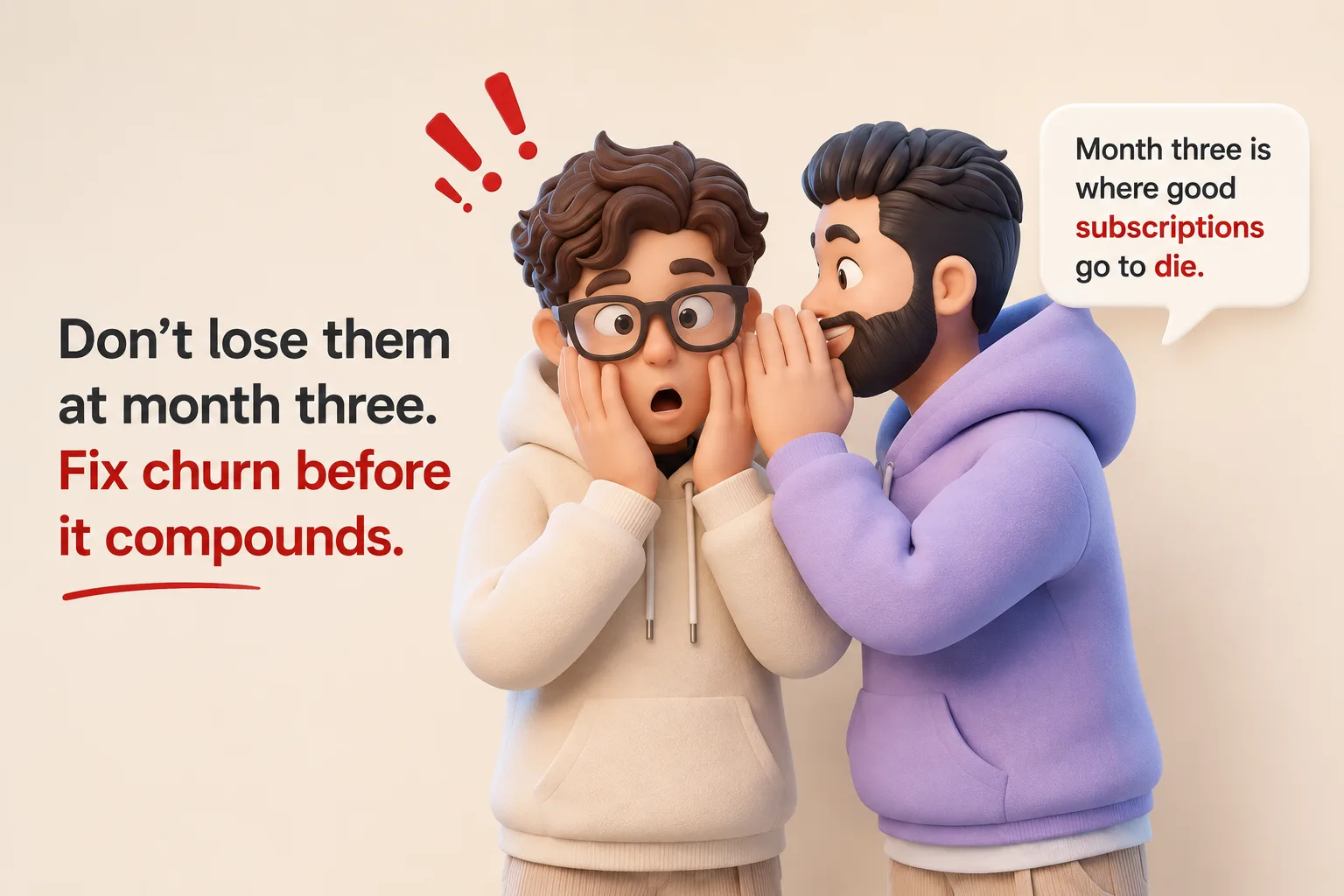
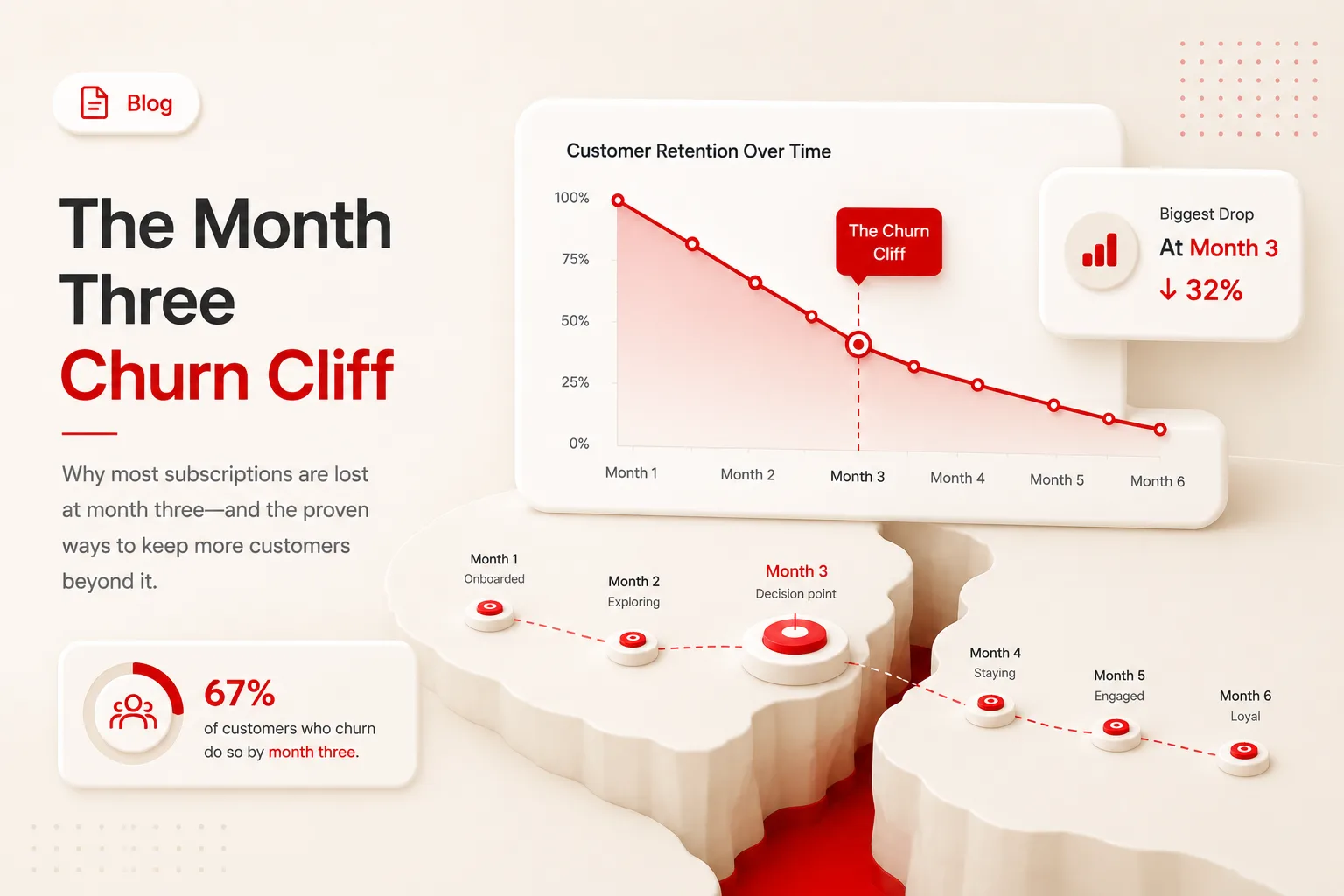
churnSubscription churn isn’t spread evenly across a customer’s life — it clusters early. Most of the people you lose, you lose in the first few cycles, and coffee has a specific version of this: the month-3 cliff. The customer makes it through the honeymoon, gets a couple of deliveries, and then quietly asks themselves whether this is worth it. If the answer is “these are just bags I could grab at the supermarket,” they cancel.
Why month 3 is the danger zone
The first delivery is carried by novelty. The second still feels new. By the third, the subscription has to justify itself on its own terms — and if the only thing that’s arrived is coffee in a bag, with no context, no story, and no sign it’s any fresher or more considered than a grocery-store option, the value proposition collapses. The customer receiving bags they could have bought at the supermarket is the one who cancels in month 3. They didn’t get worse coffee. They just never got a reason to see it as anything more than a refill.
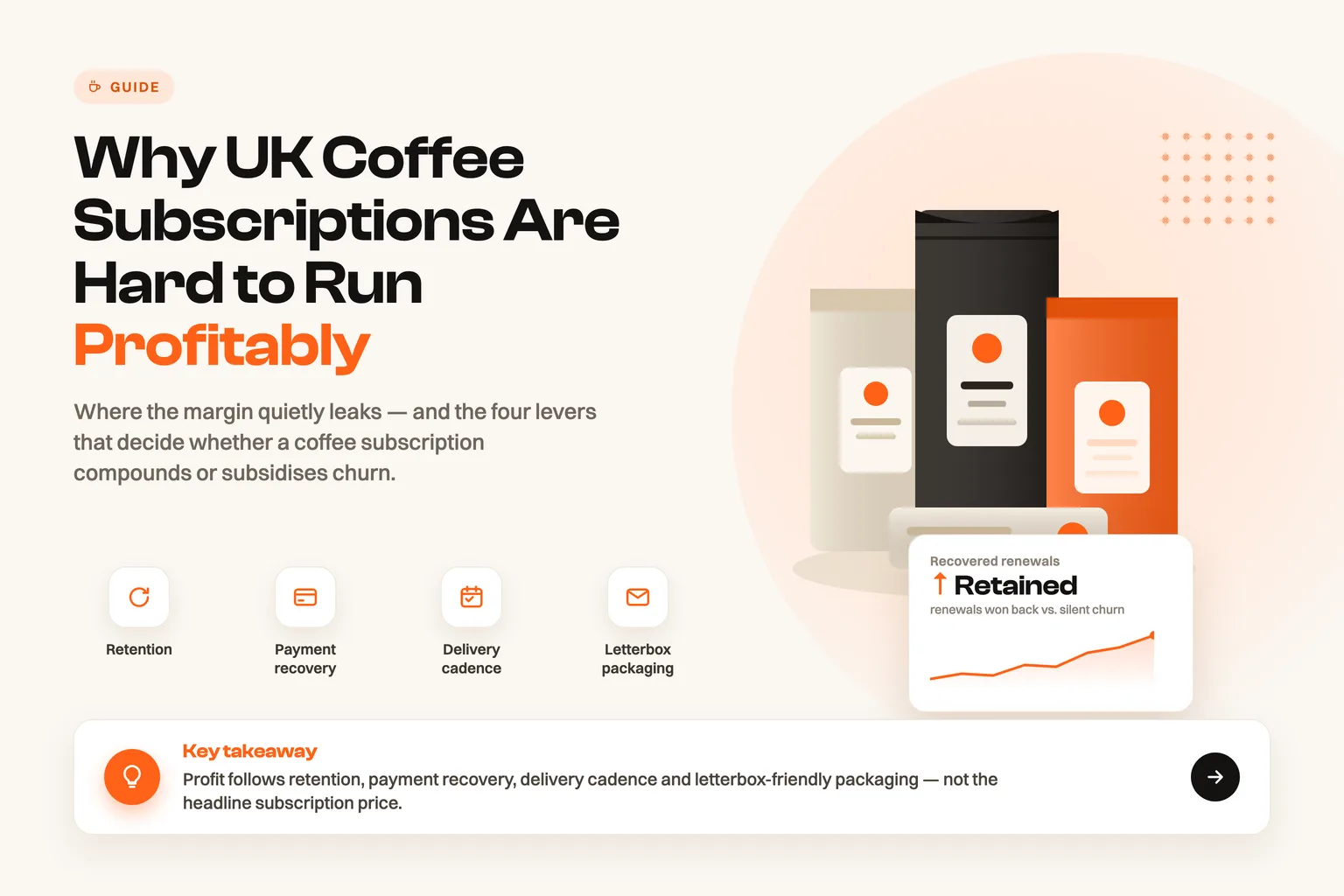
This is churn you can’t see coming from your dashboard until the cancellation lands, which is what makes it dangerous. And because every subscriber lost this early wasted the full cost of acquiring them, it’s the most expensive leak in a coffee subscription’s economics. It’s also entirely about perceived value, which means it’s addressable with things that cost you almost nothing to add.
The things that turn a refill into a subscription
What separates a subscription from a commodity re-order is context. The levers are well understood, and roasters are uniquely positioned to pull them:
- Roast-date transparency. Print the roast date and lead with it. It’s the single clearest signal that this coffee is fresher than anything on a shelf, and it’s something a supermarket can’t credibly offer.
- Tasting notes. Tell the customer what they’re about to drink and how to get the most out of it. It reframes each delivery as a guided experience, not a restock.
- Origin storytelling. The farm, the producer, the process, why you chose this lot. This is the sourcing work you already do — surfacing it is what makes a subscriber feel they’re buying from a roaster, not a warehouse.
- A strong first shipment. Front-load the value. Onboarding is where you set the expectation that every box will teach them something.
None of this is a discount. It’s the difference between a bag and a reason.
Get the grind and roast right, too
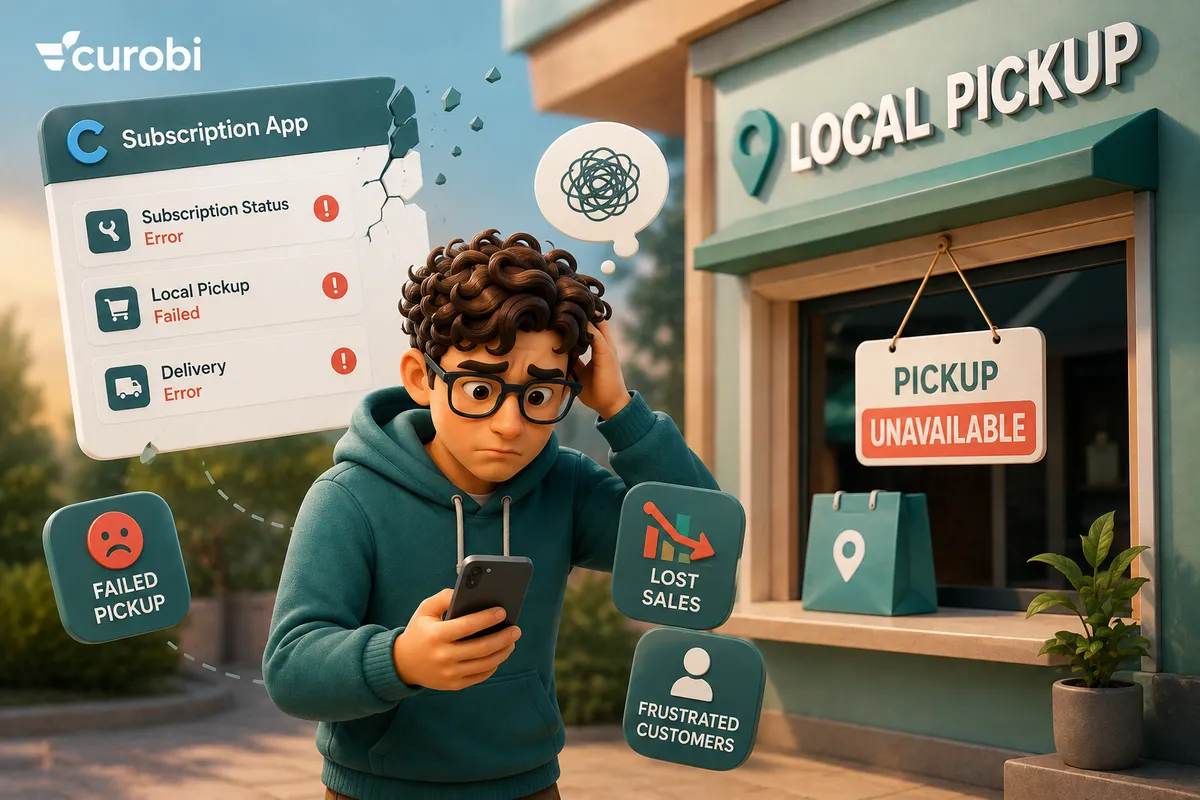
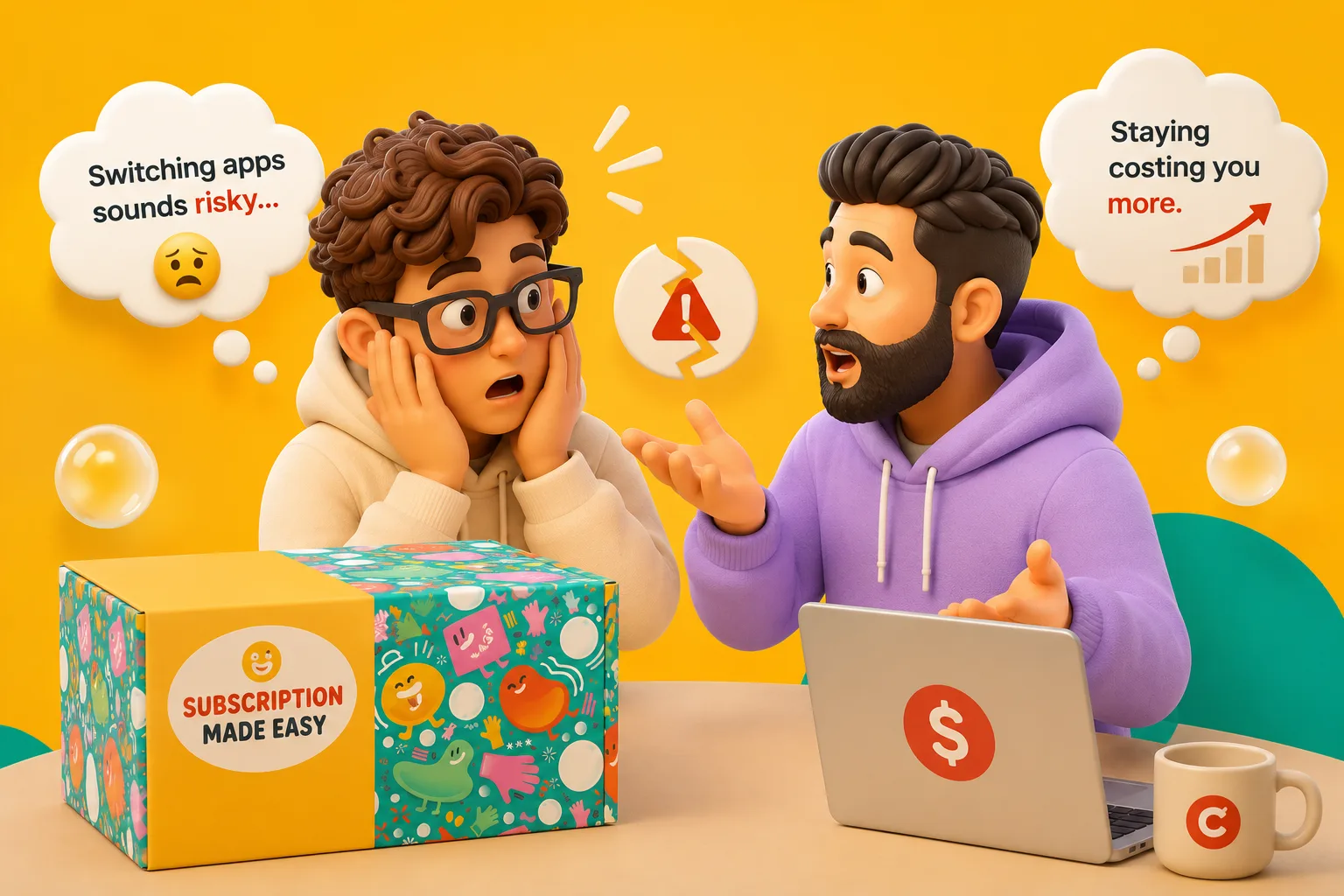
The month-3 cliff has a close cousin: the subscriber who’s technically getting great coffee but the wrong great coffee. Roasters have watched enthusiasts abandon subscriptions after receiving beans too dark for their French press, or a grind that didn’t suit their brewer, when a one-click adjustment would have kept them. Personalization — roast level, grind size, the ability to swap a single-origin for something smoother mid-cycle — is part of the same fight: making the box feel made for them. When those controls live behind a support email instead of in a self-service portal, the easy save turns into a cancellation.
Where Curobi fits
Curobi runs on Shopify’s native checkout and Subscription Contracts, so your subscription orders stay ordinary Shopify orders — which means the content, packaging inserts, and post-purchase emails you already use to tell the roast-date and origin story keep working, with no proprietary billing layer in the way. Subscribers can adjust grind, swap beans, skip, and reschedule themselves from the portal, so a “this roast was too dark” moment becomes a tweak instead of a cancel. For the wider retention playbook, see our guide on reducing subscription churn on Shopify, and for the coffee-specific version, how coffee roasters run a subscription on Shopify.
The takeaway
Early churn is the churn that matters most, and the month-3 cliff is where a coffee subscription either becomes a ritual or reveals itself as a glorified re-order. You beat it with context, not discounts: roast dates, tasting notes, origin stories, a strong first box, and personalization controls the customer can reach without emailing you. Give subscribers a reason to see the box as more than coffee in a bag, and month 3 stops being a cliff.